
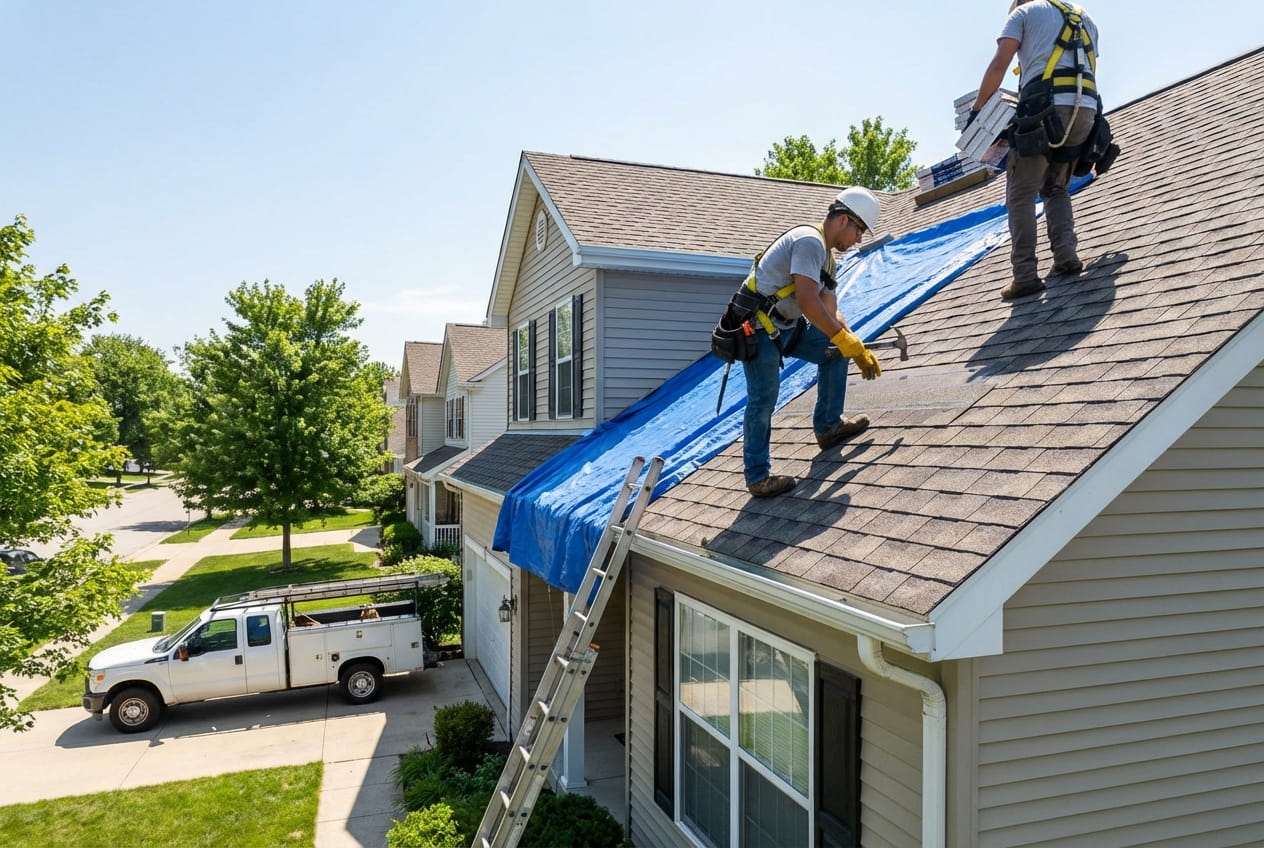
Expert Roofing in Sugar Land
Protecting homeowners in Sugar Land with expert craftsmanship.
Get Your Free Estimate
Guaranteed Response Within 24 Hours
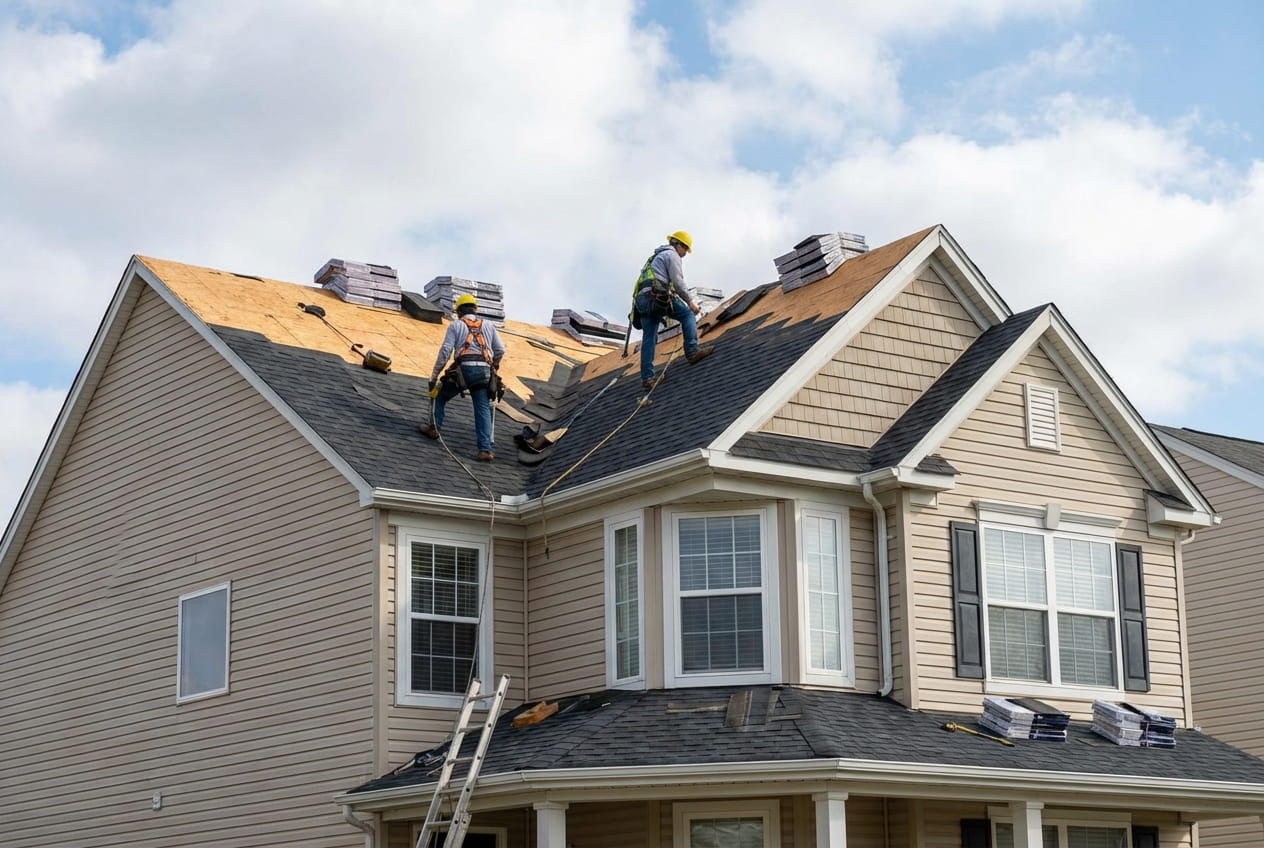
A practical roofing partner for Sugar Land
Sugar Land’s housing mix—from newer, master-planned neighborhoods like Riverstone and Telfair to larger, multi-valley rooflines in areas like Greatwood—means roofing problems aren’t one-size-fits-all. Steer Concepts focuses on careful inspections, clear scope-of-work notes, and install details that hold up to Southeast Texas heat and heavy rain patterns.
Our Roofing Services
From minor repairs to complete roof replacements, we provide comprehensive roofing solutions for Sugar Land homeowners and businesses.
Roof Repair
Fast and reliable repairs for leaks, missing shingles, and wear.
Learn MoreRoof Replacement
Complete roof replacement with premium materials and warranty.
Learn MoreStorm Damage Restoration
Emergency roofing services and insurance claim assistance.
Learn MoreCommercial Roofing
Scalable roofing solutions for businesses and industrial properties.
Learn MorePermitting, inspections, and code checkpoints (Sugar Land)
For many roof projects, the key is confirming what the City will require for your exact scope. If permitting or inspections apply, we’ll help you understand the steps, prep the documentation you’ll need, and keep the project moving.
Permits
Sugar Land’s permitting process is centered on its online Citizen Self Service (CSS) portal for applications, payments, and scheduling. The City’s permits FAQ also states that a person or company should not "erect, construct, enlarge, add to, alter, repair, replace" or similar work on a structure without first obtaining a permit—so for roof replacements and certain repairs, requirements may apply depending on scope. We’ll confirm during inspection and permit review.
Windstorm Certification (WPI-8)
Sugar Land is in Fort Bend County, which is not listed in the Texas Department of Insurance (TDI) Windstorm Inspections Program’s designated catastrophe areas (“First Tier” coastal counties and certain cities in Harris County). Windstorm certificates like WPI documentation are typically a coastal requirement; we can still help you document roof conditions after storms if your insurer requests specific photos or details.
Common Risks in Sugar Land
Pipe boot and penetration seal failure
Heat and UV exposure can crack rubber components and dry out sealants, leading to slow leaks that show up as ceiling stains after heavy rains.
Valley leaks on complex rooflines
Multi-valley roofs concentrate runoff; small installation defects (nailing, underlayment laps, debris buildup) can become recurring leaks.
Flashing breakdown at walls and chimneys
Step flashing/counter flashing details are frequent leak sources when older repairs used caulk as the primary waterproofing method.
Wind-lifted shingles and ridge cap movement
Severe thunderstorms can lift edges and break the self-seal bond; once tabs are unsealed, the roof is more vulnerable in the next storm cycle.
Attic moisture issues tied to ventilation imbalance
In humid weather, poor airflow can contribute to condensation-like symptoms and premature aging of decking and fasteners.
Gutter/overflow issues that back water onto fascia and edges
Clogged or undersized drainage can push water where it shouldn’t go—damaging drip edges, fascia, and sometimes the first course of decking.
What Affects Your Roofing Costs
Roofline complexity (valleys, hips, dormers)
Many homes in master-planned neighborhoods use multi-facet roof designs; more transitions typically means more flashing, more underlayment detail work, and more labor time to do it cleanly.
Decking condition under the roof covering
Any soft decking, delamination, or edge rot discovered during tear-off must be replaced for a code-compliant, nail-holding substrate.
Ventilation and heat-management upgrades
If inspection shows ventilation is under-performing (hot attic, moisture signs, or uneven shingle aging), improving intake/exhaust can add material and labor but often improves long-term performance in this climate.
Permitting workflow and inspection timing
If your scope triggers permits/inspections, using Sugar Land’s online CSS portal and coordinating inspection timing can affect the schedule and administrative overhead.
HOA or architectural review steps
Many communities have design guidelines (colors/profiles). Even when the City process is straightforward, HOA review can add lead time before materials are ordered.
What Sugar Land weather does to roofs
In the Greater Houston area, roofs are challenged by long heat seasons, intense downpours, and periodic severe thunderstorms. We build project plans around the most common failure points those conditions expose.
High heat + humid air
Extended hot, humid stretches can accelerate aging at roof penetrations, sealants, and attic ventilation bottlenecks—especially when insulation and airflow aren’t balanced. NWS Houston/Galveston routinely highlights heat-index conditions across the area (including Sugar Land observations), which aligns with what we see on roof systems over time.
We focus on ventilation strategy (intake/exhaust balance), heat-resilient details at penetrations, and a "system" approach (starter, field, hips/ridges, and flashing) instead of patchwork fixes.
Wind-driven rain and fast runoff
Thunderstorm rain can be pushed sideways into vulnerable transitions—valleys, wall flashings, chimneys, and around vents—where small installation gaps become leaks.
We prioritize watertight transitions: upgraded underlayment where appropriate at valleys and around penetrations, correct step-flashing/counter-flashing practices, and clean gutter/drainage tie-ins to move water off the roof quickly.
Severe storms in spring and early summer
The NWS Houston/Galveston office notes that spring (March–May) is often an active season for severe weather in Southeast Texas, with thunderstorms that can bring damaging impacts and flash-flood risk.
After storms, we document uplifted/creased shingles, flashing displacement, and impact marks, then recommend targeted repairs versus broader replacement based on what’s actually compromised (not just what’s visible from the yard).
Proudly Serving Sugar Land
We aren't just in the area, we know the area.
Riverstone
Many homes here feature newer construction and layered roof geometry (multiple ridges/valleys). That design looks great, but it raises the importance of clean valley work and consistent flashing details at transitions.
Riverstone
Many homes here feature newer construction and layered roof geometry (multiple ridges/valleys). That design looks great, but it raises the importance of clean valley work and consistent flashing details at transitions.
Architectural shingles (varies by section and elevation)
Valley wear, ventilation tuning needs, and leak paths at penetrations after intense storms.
Expect architectural review for profile/color changes; we can help you assemble the basic roof scope and product info your HOA may request.
Telfair
A mix of larger two-story homes and varied elevations often means more roof planes and more opportunities for wind-driven rain to find weak spots around walls and step flashing.
Telfair
A mix of larger two-story homes and varied elevations often means more roof planes and more opportunities for wind-driven rain to find weak spots around walls and step flashing.
Architectural shingles (varies)
Step flashing/wall transition leaks and ridge/hip cap aging.
Guidelines commonly focus on consistent appearance; approvals can affect lead times, so it’s worth starting the HOA process early.
New Territory
Established sections may have roofs nearing end-of-life, where repairs can be less predictable due to brittle shingles and older penetrations.
New Territory
Established sections may have roofs nearing end-of-life, where repairs can be less predictable due to brittle shingles and older penetrations.
Architectural shingles and older 3-tab roofs in some pockets
Brittle shingles that crack during repairs, pipe boot failures, and edge/drip details that no longer shed water efficiently.
Like-for-like replacements are often simpler; we’ll help document what’s being replaced and why if you need to submit a request.
Greatwood
Homes with mature trees nearby can see faster debris accumulation in valleys and gutters, which increases overflow risk and edge deterioration during heavy downpours.
Greatwood
Homes with mature trees nearby can see faster debris accumulation in valleys and gutters, which increases overflow risk and edge deterioration during heavy downpours.
Architectural shingles (varies)
Gutter overflow, fascia/edge damage, and localized decking soft spots near chronic drainage points.
If HOA rules limit visible changes, we can recommend upgrades that improve performance while keeping the same overall look.
Sweetwater
In neighborhoods with larger footprints, small ventilation shortfalls can add up—hot attic zones, uneven shingle aging, and moisture symptoms during humid spells.
Sweetwater
In neighborhoods with larger footprints, small ventilation shortfalls can add up—hot attic zones, uneven shingle aging, and moisture symptoms during humid spells.
Architectural shingles (varies)
Ventilation imbalance and flashing wear around penetrations.
Many HOAs care about shingle profile and color consistency; we’ll help you line up product options that fit typical standards.
Avalon
Where rooflines are simpler, the most important details are often at the edges and penetrations—drip edge, starter course, pipe boots, and proper sealing at vents.
Avalon
Where rooflines are simpler, the most important details are often at the edges and penetrations—drip edge, starter course, pipe boots, and proper sealing at vents.
Architectural shingles (varies)
Edge leaks, pipe boot aging, and occasional wind-lift at exposed ridges.
Replacement approvals may still be required; we recommend confirming submittal needs before ordering materials.
All Neighborhoods Served
Ready to protect your Sugar Land home?
Schedule your free roof inspection today. No pressure, just honest expert advice.
Common Questions in Sugar Land
Do I need a permit for a roof replacement in Sugar Land?
It depends on your exact scope, but Sugar Land’s permits FAQ states that construction/repair/replace work on a structure generally should not be done without first obtaining a permit. We’ll confirm what applies to your roof during inspection and (if needed) through the City’s permit review process.
How do permits work in Sugar Land if one is required?
Sugar Land uses an online Citizen Self Service (CSS) portal for permit intake and processing. If your project needs a permit, we can help you gather the basic documentation and keep the workflow organized so inspections can be scheduled without surprises.
Can we track inspections in Sugar Land?
Sugar Land provides an Inspector Tracker (EZTrack) that lets you see information about your assigned inspector and your place in the queue on the day of inspection (permit/IVR number required).
Did building codes change recently in Sugar Land?
Yes. The City notes that it adopted the 2024 ICC codes effective January 21, 2026; applications submitted on/after that date must comply with the 2024 ICC codes, while applications submitted before that date are reviewed/inspected under the 2021 International Codes (with the 2023 NEC remaining in effect per the City’s notice). We’ll account for the applicable code cycle when reviewing your scope.
Is a Texas windstorm (WPI) certificate required in Sugar Land?
Generally, windstorm certification requirements apply to TDI-designated catastrophe areas (Texas “First Tier” coastal counties and certain cities in Harris County). Fort Bend County is not listed in those designated areas by TDI, so WPI certificates are typically not a Sugar Land requirement—but insurer requirements can vary, and we’ll help you document your roof condition either way.
After a storm, what should I do before calling a roofer?
If it’s safe, take photos from the ground, note any active leaks (rooms and approximate locations), and move valuables away from wet areas. If there’s active leaking, use buckets and towels and avoid climbing onto the roof—wet shingles can be slick and fragile.
How do you decide between repair vs. replacement in Sugar Land neighborhoods?
We look at (1) how widespread the damage is, (2) whether shingles are brittle and crack during a careful test lift, (3) whether leaks are coming from isolated details (like one flashing run) or from systemic issues, and (4) whether the roof’s remaining life makes a repair worthwhile. You’ll get photos and a written recommendation.
Do HOAs in places like Riverstone or Telfair affect the roofing process?
Often, yes. Many communities require approval for material profile and color. We can provide a simple scope summary and product information you can submit, but HOA timelines vary—so we recommend starting that step early.
What roof areas fail most often during Sugar Land’s heavy rains?
Valleys, wall transitions/step flashing, pipe boots, and older vent flashings are common leak sources—especially when rain is wind-driven. We focus inspections on those areas first.
Ready to secure your home?
Schedule your free roof inspection in Sugar Land today. No hidden fees, no pressure—just honest expert advice.
Get Your Free Estimate